Chemistry of vitality - Talking about the concept of organic chemistry.
마이클 골드 선생님: "여러분, 유기화학은 항상 복잡한 분자와 반응을 합성하는 것에 관한 것이 아니었습니다. 사실 Jöns Jacob Berzelius라는 스웨덴 화학자로부터 시작되었습니다."
학생 1: "그는 무엇을 했나요?"
마이클 골드 선생님: "19세기 초, Berzelius는 살아있는 유기체의 구성을 연구하고 있었습니다. 그는 살아있는 것에서 발견되는 화합물이 광물에서 발견되는 화합물과는 다르다는 것을 깨달았습니다."
학생 2: "어떻게 달랐나요?"
마이클 골드 선생님: "Berzelius는 유기 화합물이 무기 화합물보다 더 복잡하고 깨지기 쉽다는 것을 알아차렸습니다. 그는 유기 화합물은 살아있는 유기체에 의해서만 생성될 수 있으며 존재하려면 '생명력'이 필요하다고 믿었습니다."
학생 3: "생명력이라구요? 그게 무슨 뜻인가요?"
마이클 골드 선생님: "Berzelius는 살아있는 유기체가 이러한 복잡한 화합물을 만들 수 있게 해주는 특별한 에너지 또는 힘을 가지고 있다고 생각했습니다. 이 아이디어는 생기론으로 알려졌습니다."
학생 1: "하지만 무엇이 바뀌었나요?"
마이클 골드 선생님: "1828년, Friedrich Wöhler라는 독일 화학자가 무기 출발 물질로부터 유기 화합물인 요소를 합성했습니다. 이 실험은 생기론 아이디어를 반증하고 현대 유기화학의 길을 열었습니다."
학생 2: "와, 정말 놀랍네요! 그럼 Wöhler의 실험이 전환점이었나요?"
마이클 골드 선생님: "정확합니다! 그것은 유기 화합물이 무기 화합물과 마찬가지로 실험실에서 합성될 수 있음을 보여주었습니다. 이 발견은 연구의 새로운 길을 열었고 현대 유기화학의 발달로 이어졌습니다."
마이클 골드 선생님: "이제 유기화학이 무엇에 관한 것인지 다시 한번 살펴봅시다. 유기화학은 탄소 기반 화합물의 구조, 특성 및 반응에 초점을 맞춰 연구하는 학문입니다. 우리는 작용기, 입체화학 및 반응 메커니즘과 같은 주제를 탐구합니다."
학생 3: "다뤄야 할 내용이 많네요! 우리가 알아야 할 몇 가지 핵심 개념은 무엇인가요?"
마이클 골드 선생님: "몇 가지 필수 개념은 다음과 같습니다.
- 긴 사슬과 고리를 형성하는 탄소의 독특한 능력
- 작용기와 그 특성
- 이성질체와 입체화학
- 치환, 제거, 첨가와 같은 반응 유형
이러한 개념을 이해하면 유기화학의 복잡성과 의학, 재료 과학 등과 같은 분야에서의 응용을 파악하는 데 도움이 될 것입니다."
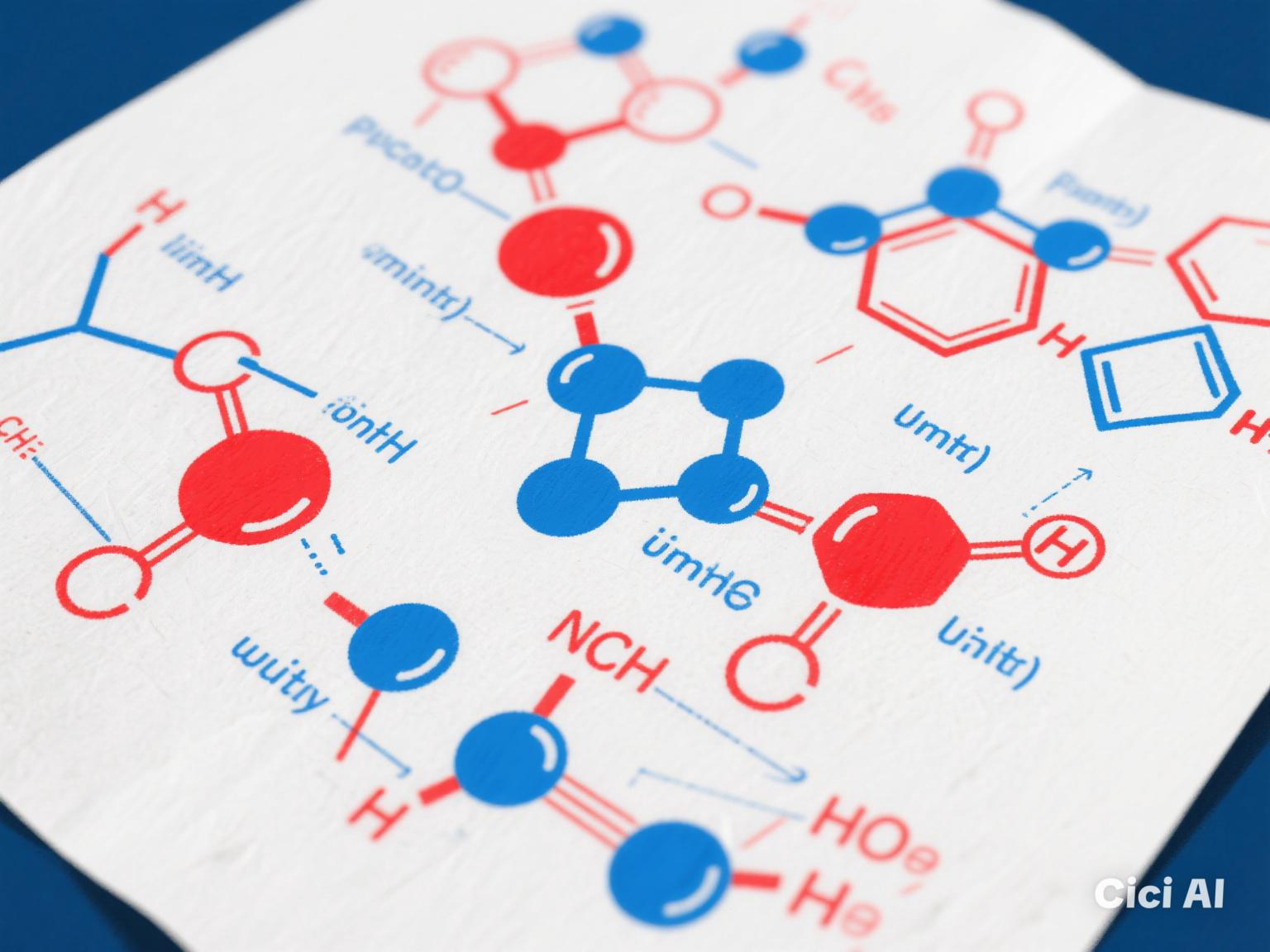
Chemistry of vitality - Talking about the concept of organic chemistry.
Teacher Michael Gold: "Gentlemen, organic chemistry has not always been about synthesizing complex molecules and reactions. It actually started with a Swedish chemist named Jöns Jacob Berzelius."
Student 1: "What did he do?"
Teacher Michael Gold: "In the early 19th century, Berzelius was studying the composition of living organisms. He realized that the compounds found in living things were different from those found in minerals."
Student 2: "How was it different?"
Teacher Michael Gold: "Berzelius noticed that organic compounds are more complex and fragile than inorganic compounds. He believed that organic compounds could only be produced by living organisms and that they required 'vitality' to exist."
Student 3: "Vitality? What does that mean?"
Teacher Michael Gold: "Berzelius thought that living organisms had the special energy or power to enable them to make these complex compounds. This idea became known as vitalism."
Student 1: "But what has changed?"
Teacher Michael Gold: "In 1828, a German chemist named Friedrich Wöhler synthesized urea, an organic compound, from inorganic starting materials. This experiment disproved the vitalist idea and paved the way for modern organic chemistry."
Student 2: "Wow, that's amazing! So was Wöhler's experiment a turning point?"
Teacher Michael Gold: "Exact! It showed that organic compounds can be synthesized in the laboratory, as can inorganic compounds. This discovery paved the way for new research and led to the development of modern organic chemistry."
Mr. Michael Gold: "Now let's take a look at what organic chemistry is all about. Organic chemistry is the study of carbon-based compounds, focusing on their structure, properties, and reactions. We explore topics such as functional groups, stereochemistry, and reaction mechanisms."
Student 3: "There's a lot to be done! What are some key concepts we need to know?"
Teacher Michael Gold: "Some essential concepts are:
- The unique ability of carbon to form long chains and rings
- Functional groups and their characteristics
- Isomers and stereochemistry
- Reaction types such as substitution, removal, and addition
Understanding these concepts will help us understand the complexity of organic chemistry and its applications in fields such as medicine, materials science, etc."