The Trap of Competition: The Paralysis of Collective Intelligence
요즘 우리는 "경쟁은 우리 안의 최고를 끌어내고, 혁신을 이끌며 인류를 앞으로 나아가게 한다"는 말을 많이 듣죠. 사실 개인 차원에서는 그럴 만한 이유가 있어요. 예를 들어 학생 시절 경쟁 상대가 있으면 공부에 더 집중하고, 취업 준비할 때 다른 지원자들을 보면 목표를 향해 더 힘을 내기도 하고, 심지어 본인이 생각했던 한계를 넘어서기도 하거든요.
하지만 경쟁의 그림자 속에 있는 문제점은 잘 이야기하지 않죠. 바로 지식을 '함께 나누는 공유 자원'에서 '혼자 간수하는 물건'으로 바꿔버려, 결국 우리 모두가 나아가는 발판을 무너뜨린다는 점입니다.
어떤 일이 벌어지는지 예를 들어볼게요. 연구자 분들은 아직 완성되지 않은 연구 결과를 남들에게 먼저 내놓으면 "다른 사람에게 제 아이디어를 빼앗길까 봐" 걱정해서 숨기죠. 기업들은 어떤 기술을 개발해도 실제로 쓰기보다는 "경쟁사가 따라오지 못하게" 특허만 내버리는 경우도 많아요. 심지어 직장에서도 동료를 "함께 일하는 파트너"가 아니라 "자리 뺏어갈 경쟁자"라고 생각하며, 자신만의 노하우를 마치 보물처럼 감추기도 하죠.
이렇게 되면 어떻게 될까요? 같은 문제를 수천 명이 각자 혼자 풀고, 누가 이미 만든 바퀴를 또 다시 만들며, 똑같은 일을 반복하면서 결과적으로 함께 일했을 때보다 몇 분의 일 속도로밖에 나아가지 못하는 거예요.
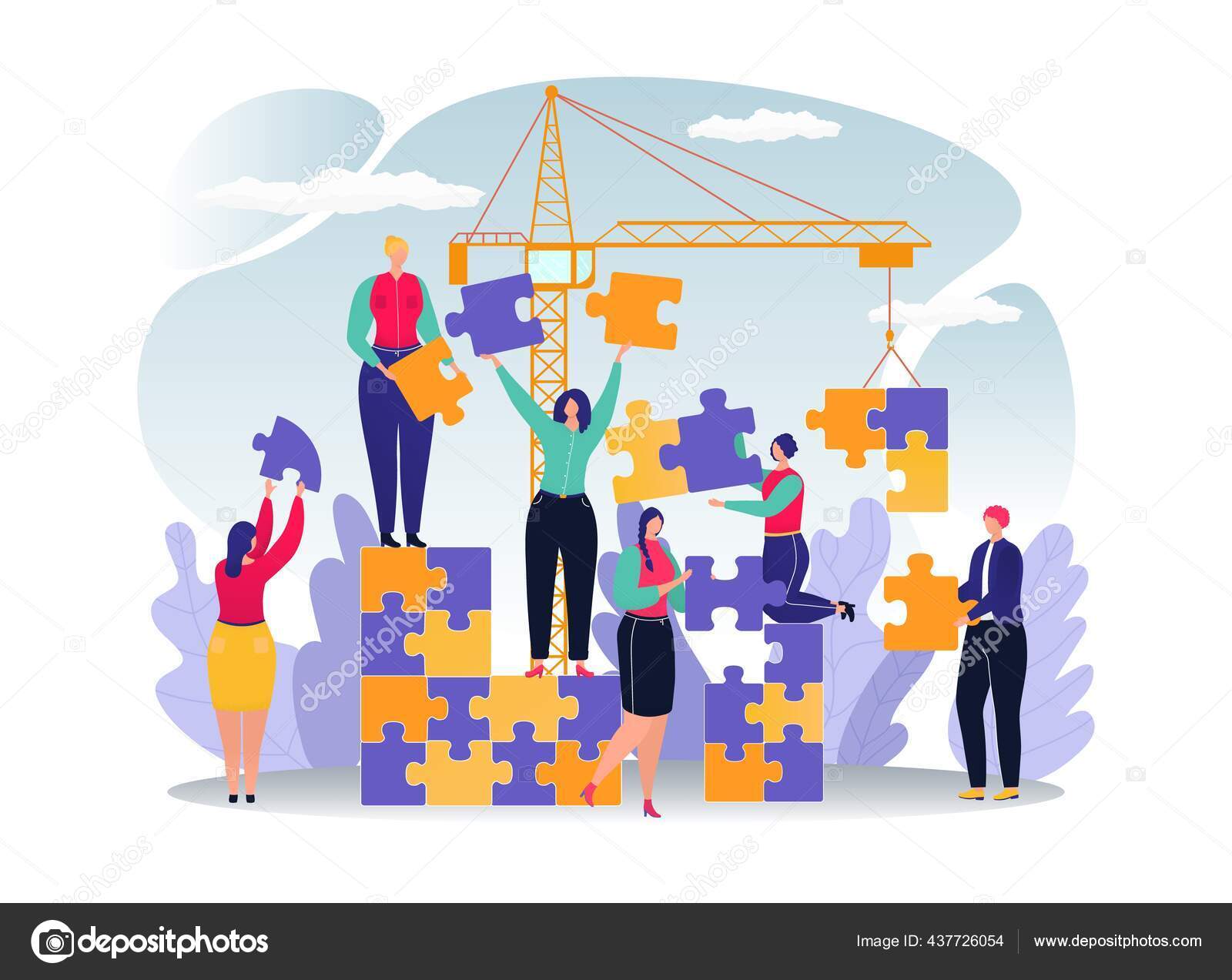
특히 여러 분야의 아이디어를 합쳐야 큰 발전이 있는 곳에서는 더 심각해요. 예를 들어 암 연구자 A 씨는 퍼즐 조각 하나를 가지고 있고, 경쟁 관계에 있는 연구실의 B 씨는 다른 조각을 가지고 있어도, 경쟁 심리 때문에 논문 발표와 심사 과정을 거치는 수개월 혹은 수년 동안 서로의 아이디어를 합치지 못하죠. 그 사이에 두 사람이 함께라면 금방 찾았을 해답은 여전히 손이 닿지 않는 곳에 흩어져 있게 되는 거예요.
결국 우리 사회는 "개인의 승리"를 "모두의 발전"보다 더 크게 보상하는 시스템을 만들었고, 그 덕분에 지금 우리가 직면한 복잡하고 얽힌 문제들을 풀어갈 힘을 스스로 제약하고 있는 거죠. 물론 경쟁은 개인을 움직이게 하는 힘이 될 수 있지만, 진정으로 문명을 앞으로 나아가게 하는 건 자유롭게 나누어지는 지식과, 서로의 아이디어 위에 쌓아올리는 협력이라는 거예요.
We've been told a seductive story about competition: that it brings out the best in us, drives innovation, and propels humanity forward. And on an individual level, there's truth to this—rivalry can sharpen focus, ignite ambition, and push people beyond their perceived limits. But there's a darker side to competitive dynamics that we rarely acknowledge: the way competition systematically dismantles the very foundation of collective progress by transforming knowledge from a shared resource into a hoarded commodity. When individuals, teams, or organizations view each other primarily as rivals, something insidious happens. Information that could accelerate everyone's understanding becomes locked behind walls of secrecy. Researchers refuse to share preliminary findings for fear of being scooped. Companies patent discoveries not to use them, but to prevent competitors from accessing them. Professionals guard their expertise like treasure, seeing colleagues as threats rather than collaborators. The result is a tragic fragmentation of collective intelligence—we end up with thousands of people solving the same problems in isolation, reinventing wheels, duplicating efforts, and moving forward at a fraction of the speed we could achieve through open collaboration. The rivalry trap is particularly devastating in fields where breakthrough progress requires synthesizing insights from multiple domains. A cancer researcher might possess one piece of the puzzle, while someone in a competing lab holds another—but competitive pressure ensures they'll never combine their knowledge until after publication, peer review, and the glacial pace of traditional academic communication. Meanwhile, the solution that could have emerged from collaboration remains just out of reach, fragmented across rival institutions. We've built a system that rewards individual victory over collective advancement, and in doing so, we've handicapped our species' ability to solve the complex, interconnected challenges we face. Competition may drive individuals, but it's collaboration—the free flow of knowledge, the building upon each other's insights—that drives civilizations forward
영성과 과학 사랑과 연민의 다리